
Visiting Angels Cheshire
Home careAcross Cheshire East
Home care with the same trusted carer at every visit.
- Dementia care
Founders’ company

Support in the home they knowRegulated by the Care Quality Commission

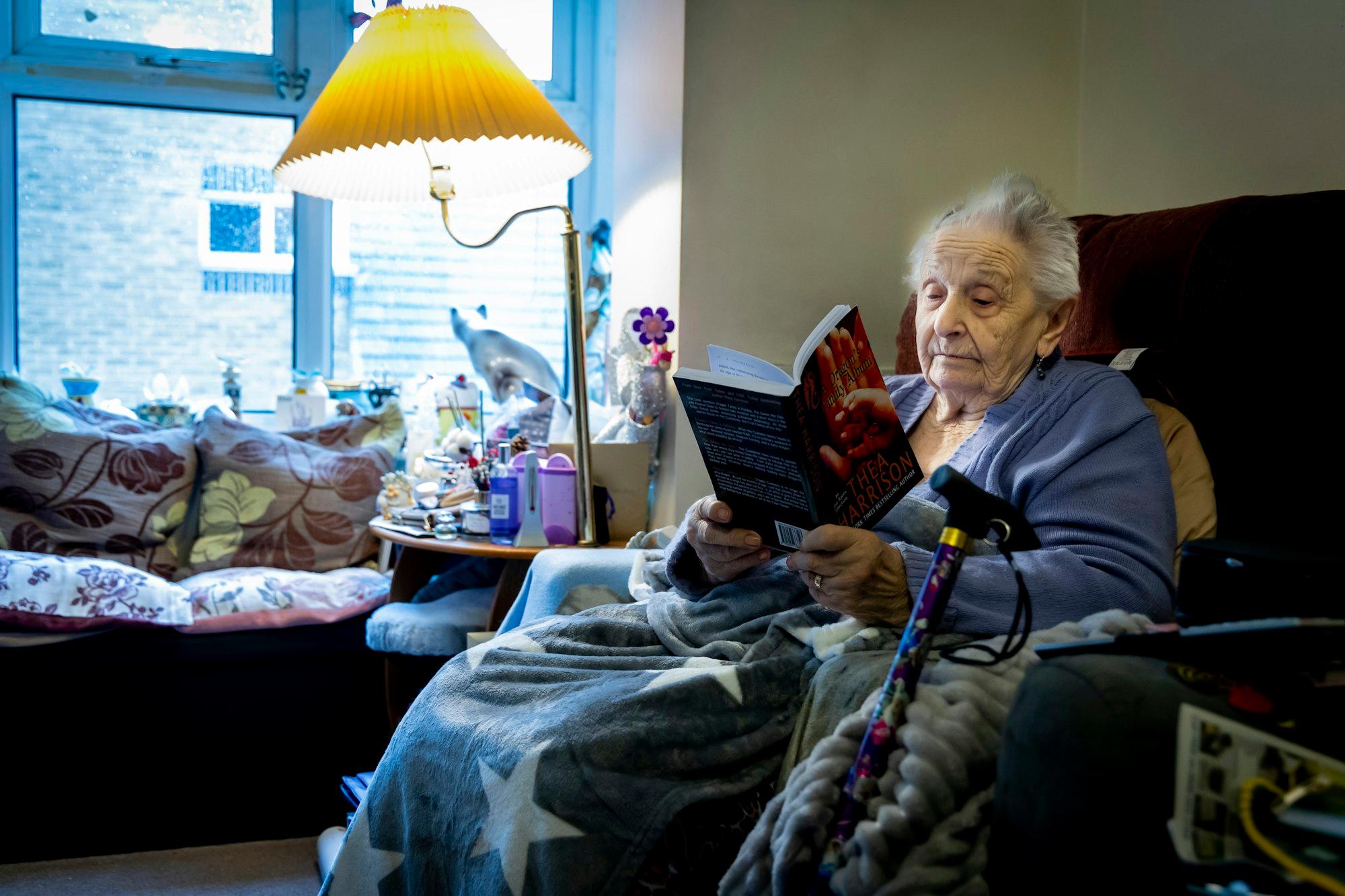
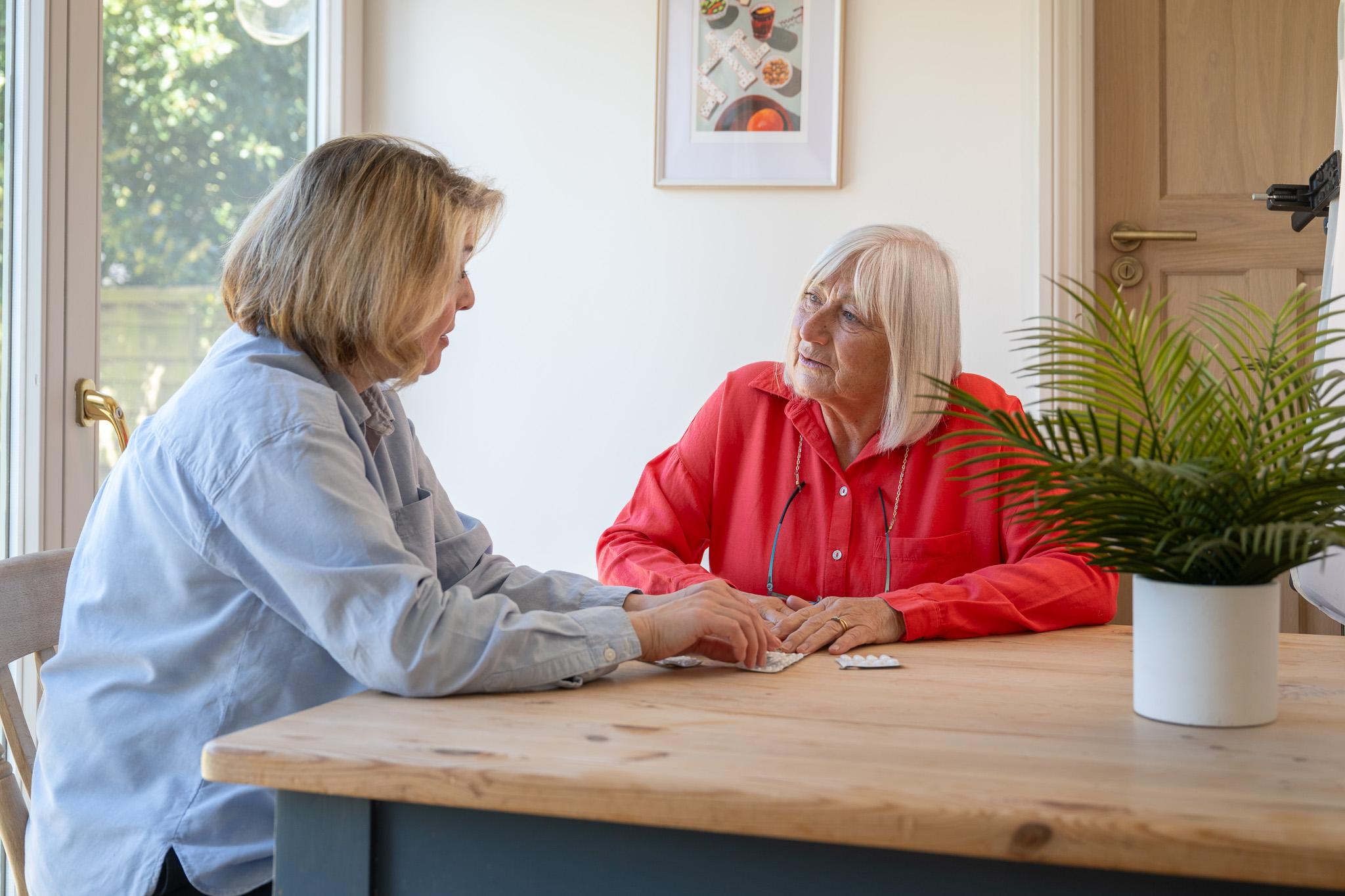
Home care means trained carers coming to someone’s own home to help with everyday life: getting up and dressed, washing, meals, medication reminders, company and getting out. It can be a short daily visit or a carer who lives in, and it can change as needs change.
Their own routines, neighbours, garden and pets stay part of daily life.
From a short daily visit to round-the-clock live-in care.
Registered agencies are inspected by the CQC and given a public rating.
Agencies that provide personal care must be registered with the CQC, which inspects and rates them.
Find a homecare agency on the CQC website (opens in a new tab)Carers come at set times, from a short call to several hours. The most common kind of home care.
A carer lives in the home, usually with their own bedroom. An alternative to a care home for higher needs.
A carer stays awake, or sleeps over, to help during the night.
Short-term help after illness or a hospital stay to rebuild everyday skills. Arranged by the council or NHS and free for up to six weeks.
Carers trained in dementia, with familiar faces and steady routines.
Company, outings and help around the house. Services that give no personal care do not have to register with the CQC.
Each is labelled so you know how we know it. The founders’ company is shown first.
Home careAcross Cheshire East
Home care with the same trusted carer at every visit.
Founders’ company


Home careWilmslow
Personal care, safety checks and respite, Wilmslow

Home careMacclesfield
Belong's home care service, Macclesfield
Rules and figures are for England and change from year to year. Your navigator can check what applies to you.
Our founders also co-founded Visiting Angels Cheshire East, a home care company. When home care might help, we always show you other local providers too.
It depends on the agency and on local demand. Some can start within days; others have waiting lists. Your navigator can help you find out who to call first.
Yes. Many families start with short-term care after a hospital stay, and reablement arranged by the council or NHS may be free for up to six weeks.
For a few hours a week, usually yes. For round-the-clock needs, live-in care and a care home can cost a similar amount, so it is worth comparing both.

When home is no longer the right place
Residential, nursing and dementia care homes, short respite stays, and how to compare them well.
Legal decisions, in place in good time
Lasting powers of attorney, wills, deputyship and advice on care fees from specialist solicitors.
Making the money last
Specialist later-life advice on paying for care, care fees annuities, equity release and protecting a partner.