A guide for families
Staying steady after a fall
What to do if a fall happens, how to get confidence back, and the simple changes that lower the risk of another.
7 minute read
If they fall and feel able to get up
Talk these steps through with them now, so they know what to do. First, stay calm, don’t rush, and check for pain or injury. Then:
Roll on to your side
Then on to your hands and knees.
Crawl to a sturdy chair or bed
Something that won’t tip or slide.
Put one foot flat and push up
Then turn and sit down.
Rest, then tell someone
Even if you feel fine.
Getting confidence back
It’s common to feel shaken after a fall. Doing less can feel safer, but staying active is what keeps muscles strong.
Tell the GP
After any fall, even without injury. They may refer to the local falls service for a personal plan.
Ask about a falls prevention class
Strength and balance exercise is one of the best ways to prevent falls. The GP can refer, or you may be able to refer yourself.
Build back gradually
Start gently, perhaps ten minutes at a time, and do a little more each time.
Little and often
Standing up from a chair without using your hands, or heel raises holding the worktop.
Get up slowly
Sit on the edge of the bed for a moment, and stand still before walking off.
Talk about the worry
Fear of falling can stop someone doing what they enjoy. The GP or therapy team can help.
Peace of mind
A , or bed and chair sensors, can ease the worry.
How family can help
Exercise together, check in often, and make sure someone can get in if needed.
Why falls happen
Around one in three people over 65 has a fall each year. A fall rarely has one cause, which means there are several ways to lower the risk.
Weaker legs and balance
Muscle strength drops quickly when we sit more, but it can be rebuilt.
Medicines
Some cause dizziness or drowsiness, especially sleeping tablets or four or more medicines.
Eyesight
Out-of-date glasses, cataracts, or varifocals on the stairs.
Feet and footwear
Painful feet, long nails, and loose slippers or backless shoes.
Dizziness on standing
Blood pressure can drop when getting up. Not drinking enough makes it worse.
A near miss is a warning
Mention any trip or stumble to the GP, so the cause can be found early.
Room by room
Walk round with this list. Most fixes are quick and cost little or nothing. Start with the route to the toilet.
Hall and stairs
- Rails on both sides
- Light switches top and bottom
- Nothing left on the steps
Living room
- Rugs removed or taped down
- Cables tucked away
- A firm chair at a good height
Kitchen
- Everyday things within reach
- Spills wiped up straight away
- No climbing on chairs
Bathroom
- Grab rails by the bath and toilet
- A non-slip mat in the bath
- A shower seat if needed
Bedroom
- A lamp within reach of the bed
- A night light and a clear path to the toilet
- Glasses, and a phone or alarm, by the bed
Outside the door
- Paths clear of moss and leaves
- A light by the front door
- A key safe for emergencies
- Shoes with a good grip, never slippers outside
Medicines and health checks
Ask for a medicines review
Especially with four or more medicines, or tablets for sleep, mood or blood pressure. Take everything, including creams and anything bought from the chemist.
Eyes, regularly
NHS sight tests are free from 60. Ask about single-vision glasses for walking.
Feet
Well-fitting shoes with a back and a firm sole. See a podiatrist for painful feet.
Hearing
Inner-ear problems can affect balance. Ask for a hearing check.
Bones
After a fall or a broken bone, ask the GP about a bone health check.
Night-time toilet trips
If they’re frequent or urgent, mention it to the GP.
Equipment that helps
An occupational therapist from the council can visit and suggest what would help. If they’re assessed as needed, aids and minor adaptations costing less than £1,000 are free.
Personal alarm
A pendant or wristband to call for help. Some detect a fall automatically.
Key safe
Lets help get in quickly if they can’t reach the door.
Night lights
Plug-in or motion-sensor lights between the bed and the bathroom.
Grab rails
By the front door, the toilet, the bath and any steps.
Chair and bed raisers
Make sitting down and getting up much easier.
Walking aids
A frame or stick, set to the right height by a physiotherapist.
A home safety visit
Free from Cheshire Fire and Rescue for people over 65, with smoke alarms fitted if needed.
Local help to stay steady
Physiotherapy, falls prevention exercise, podiatry, eye and hearing checks, and equipment near them.
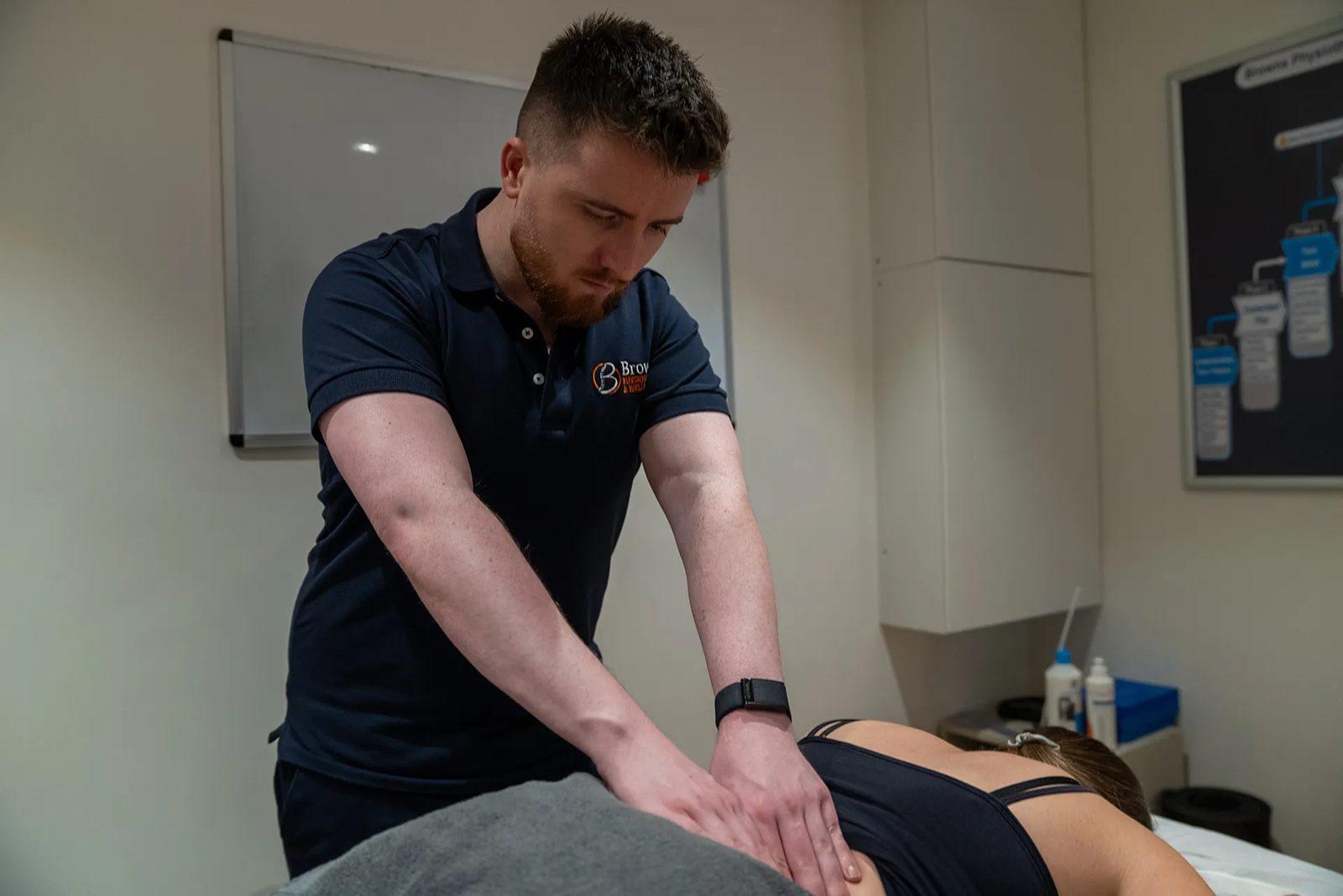
Browns Physio
PhysioMacclesfield +1
Physio and podiatry clinics in Macclesfield and Congleton
Checked by our team
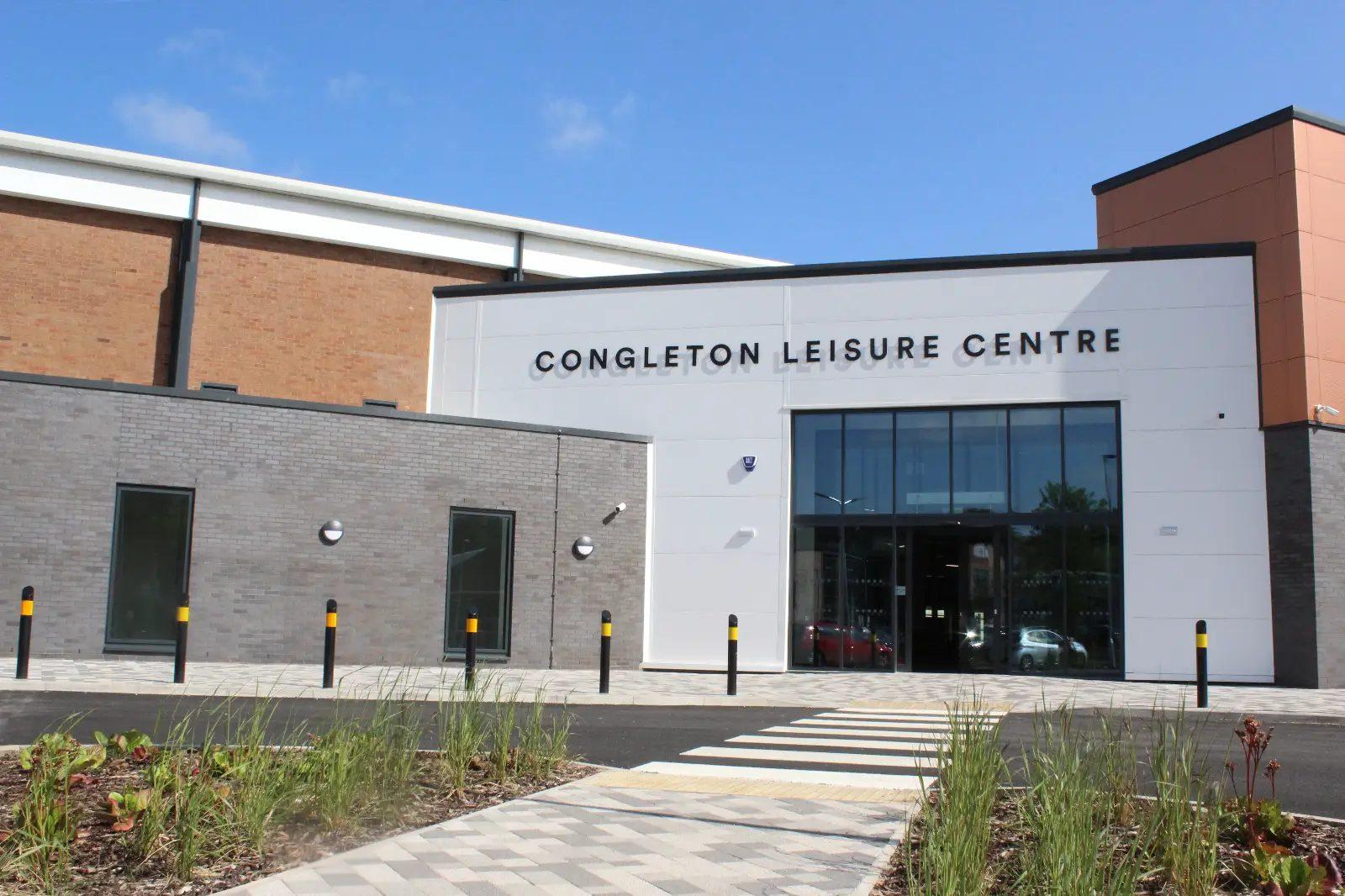
Everybody Health and Leisure
ExerciseMacclesfield +2
Leisure centres and free falls prevention classes for over-65s
Team favourite
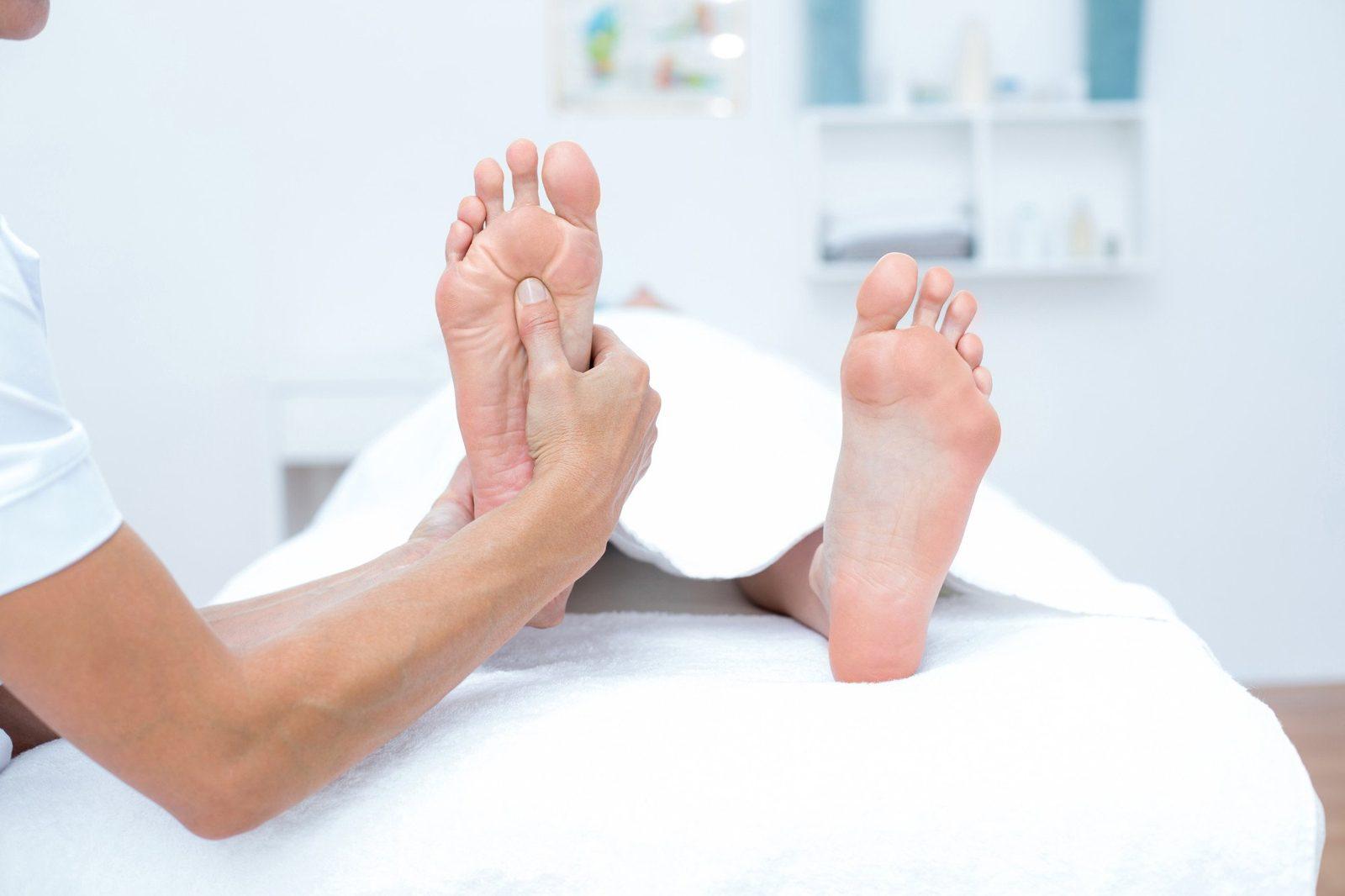
Plant Podiatry
Foot careWilmslow
Chiropody and podiatry clinic on Parkway, Wilmslow
Checked by our team


Help is a phone call away
- Cheshire East CouncilAdult social care, occupational therapy and equipment0300 123 5010
- NHS 111Urgent medical advice, day or night111
- Age UK CheshireLocal information and advice01625 612958
- Age UK Advice Line8am to 7pm, every day0800 678 1602
- A Fingerpost navigatorLeave your details and we’ll call you, freeAsk for a call back
Where this comes from
- Law and guidance
- NHS
- College of Optometrists
- Cheshire Fire and Rescue Service
General information, not medical advice. Check each source for the latest rules and amounts.