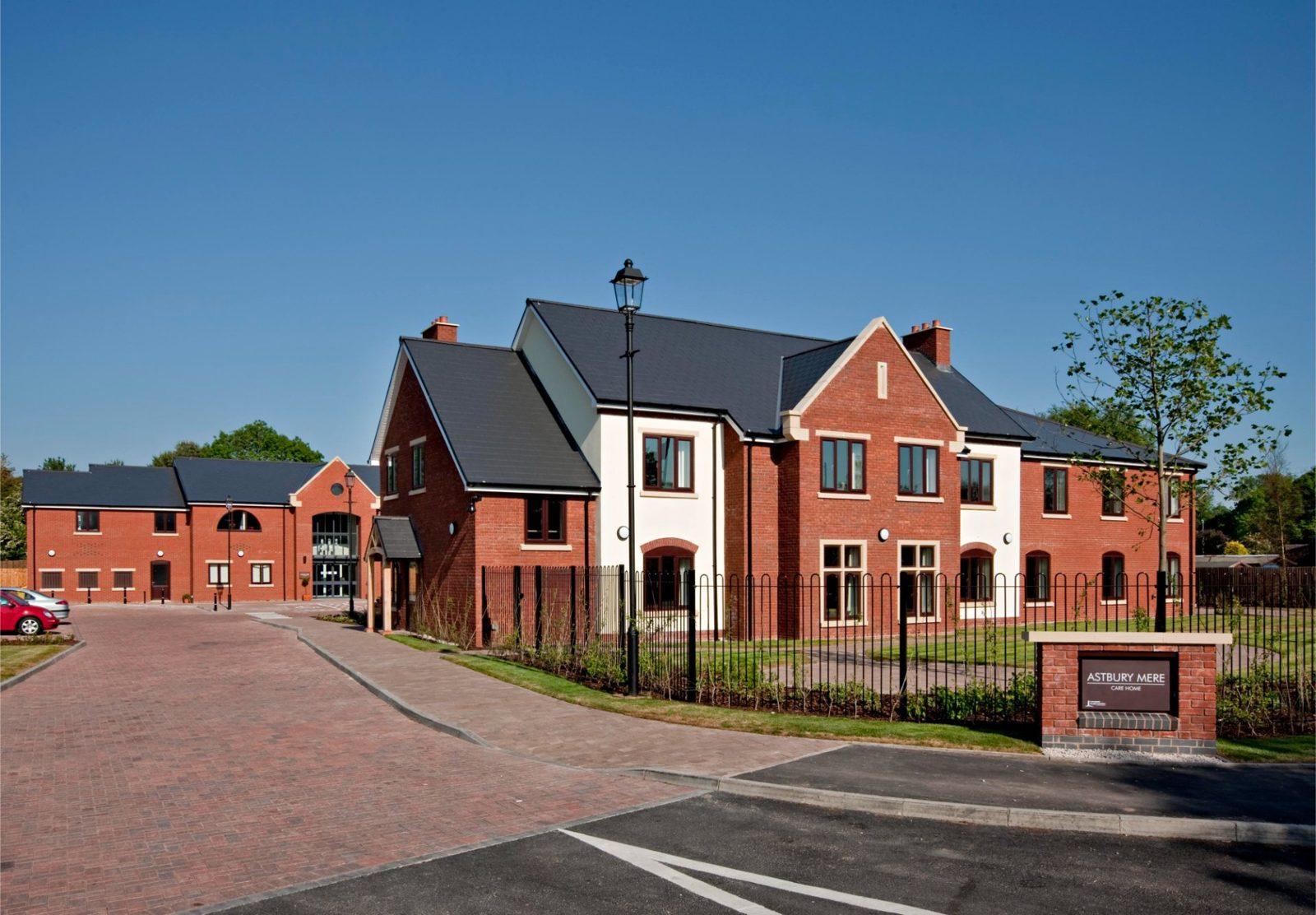
Astbury Mere Care Home
Care homesCongleton
Nursing and dementia care beside Astbury Mere Country Park
- CQC Good · 2022
- Nursing and residential care
- Dementia care
Checked by our team

When home is no longer the right placeRegulated by the Care Quality Commission


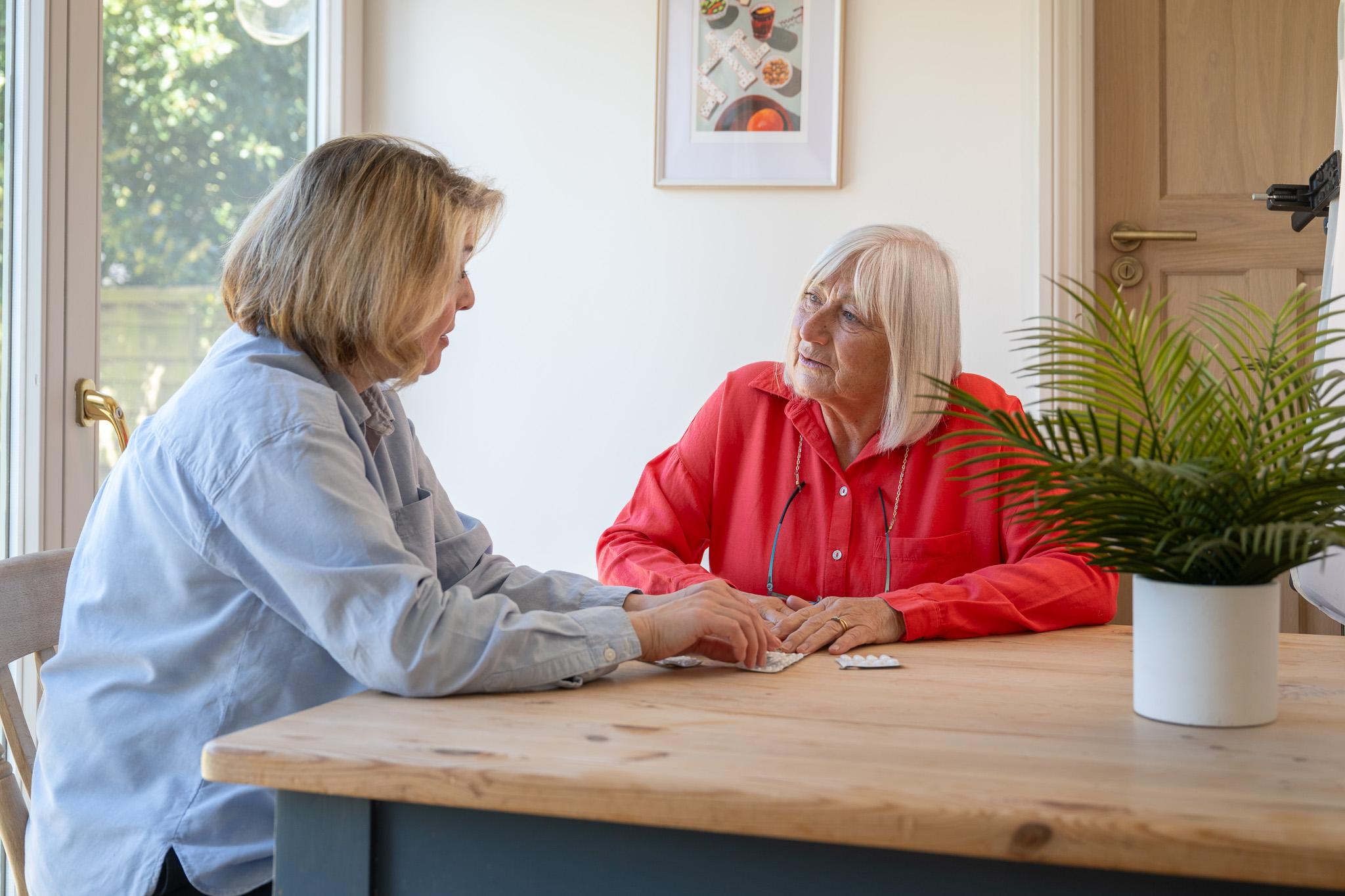
A care home provides a room, meals and support around the clock in one place. Some have nurses on duty; others specialise in dementia. Moving is a big decision, and it is rarely one that has to be made in a single day.
Staff are there day and night, so help is always close by.
Meals, activities and people to talk to can ease loneliness.
Read the latest CQC report before you visit.
Every care home in England must be registered with the CQC. Ratings are Outstanding, Good, Requires improvement or Inadequate.
Search care homes on the CQC website (opens in a new tab)Help with personal care, meals and daily life. No nurses on duty.
Registered nurses on duty 24 hours a day for medical needs.
Homes or units designed and staffed for people living with dementia.
A short stay, from a few days to a few weeks, so a carer can rest or someone can recover.
A self-contained flat with care staff on site. Not a care home, but sometimes the right middle step.
Each is labelled so you know how we know it. The founders’ company is shown first, then places our team has checked.
Care homesCongleton
Nursing and dementia care beside Astbury Mere Country Park
Checked by our team
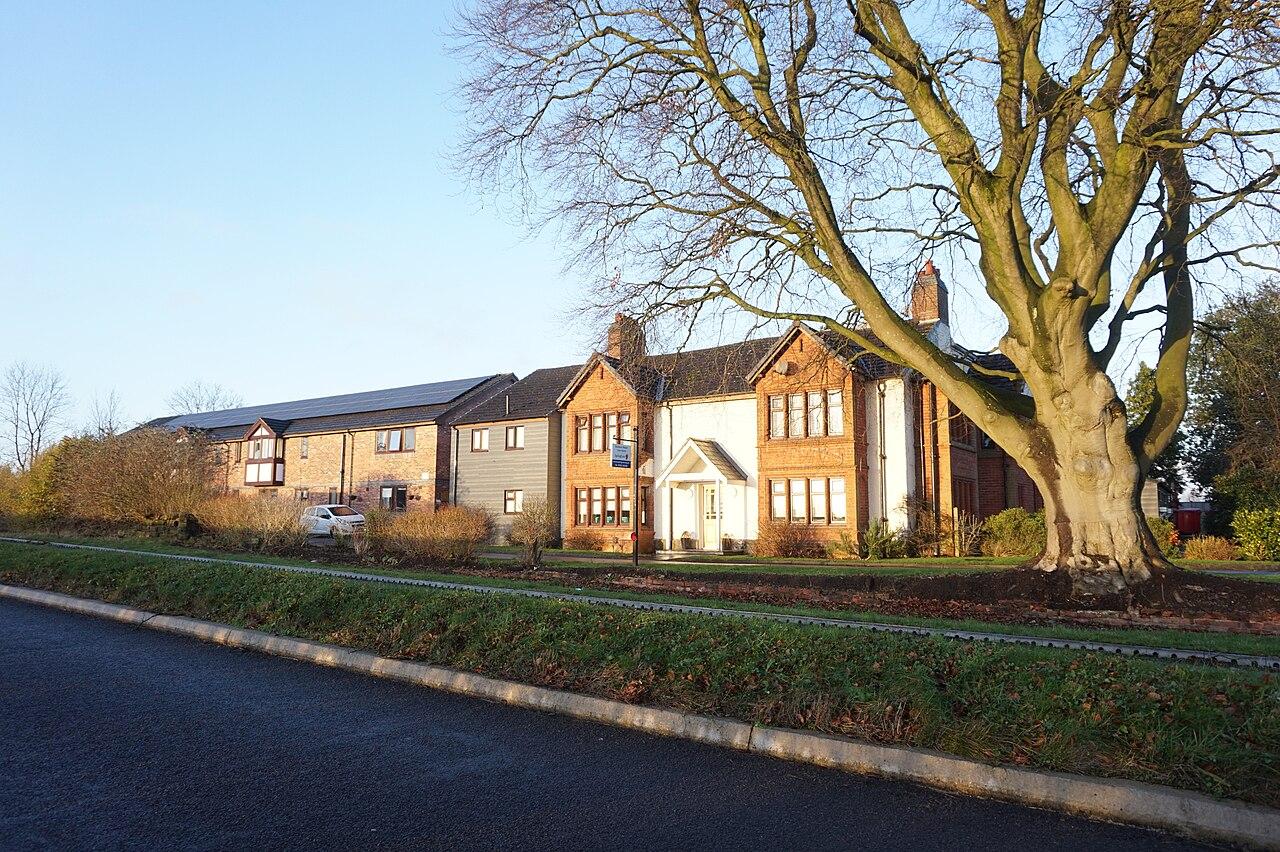
Care homesKnutsford
Residential home with dementia unit
Checked by our team
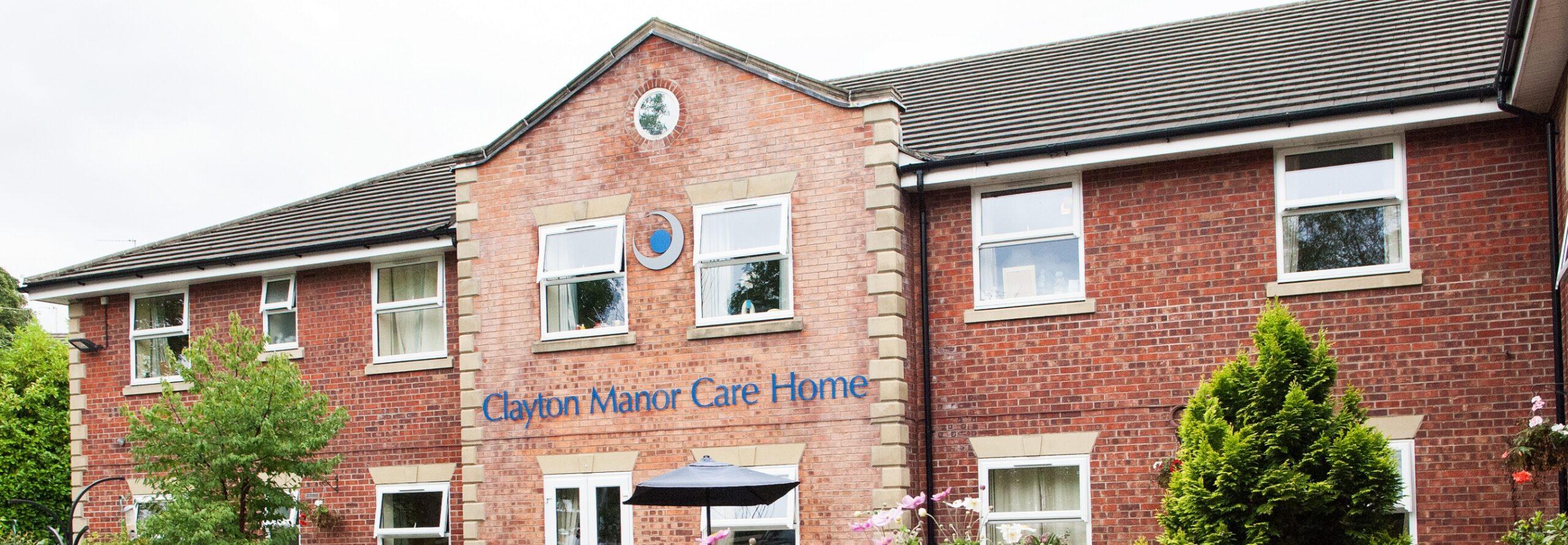
Care homesCongleton
Avery nursing home in Congleton
Checked by our team

Care homesKnutsford
Residential, nursing and dementia care in Mobberley
Team favourite
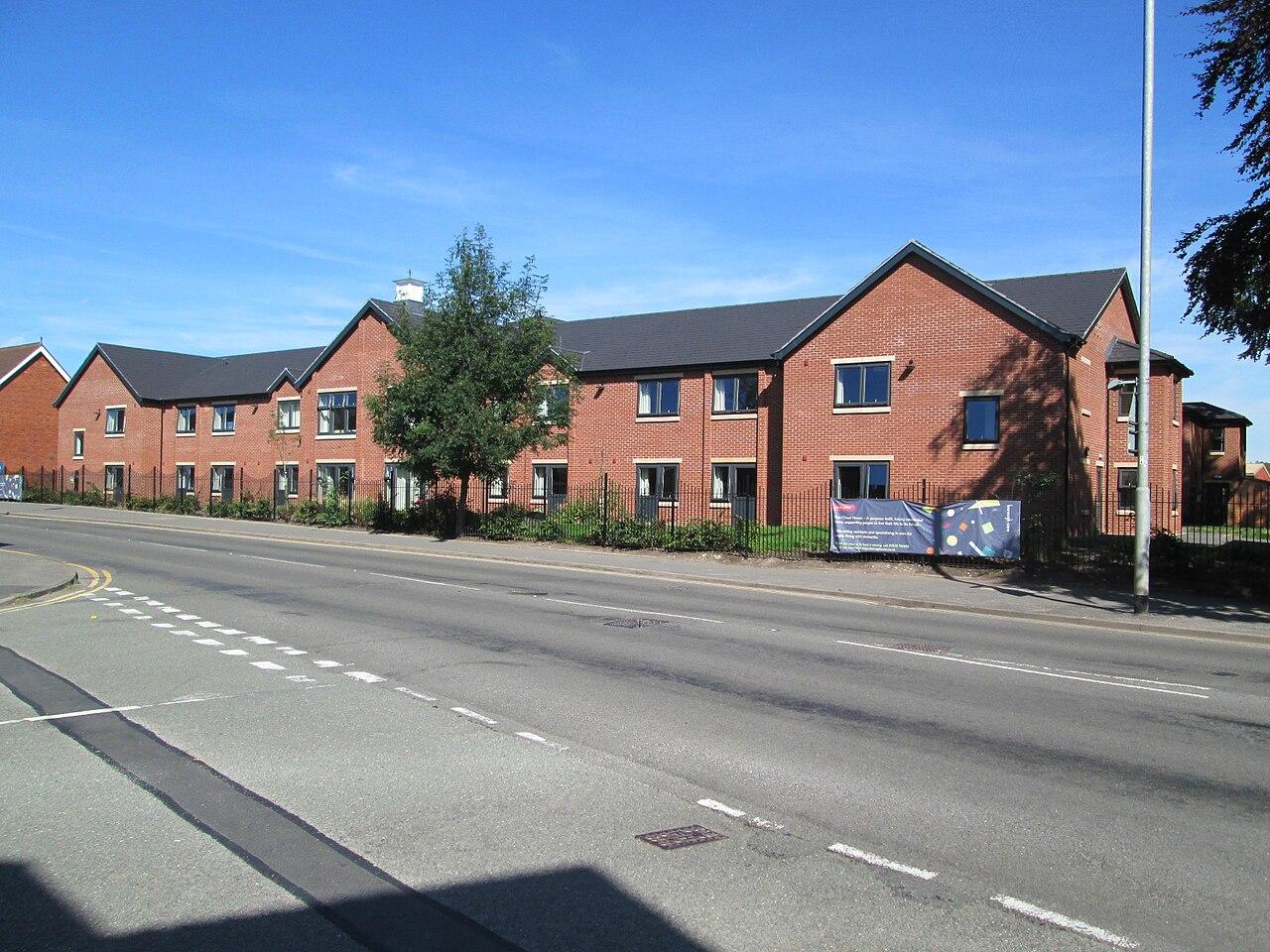
Care homesLeek, Staffordshire
Residential care for older people, including dementia
Checked by our team
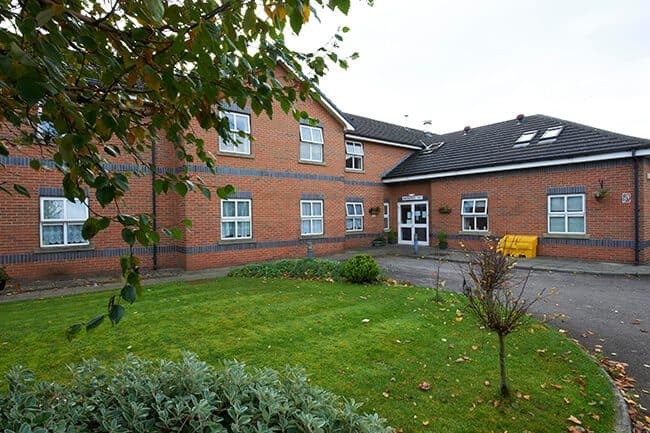
Care homesMacclesfield
Specialist nursing dementia care, rated Outstanding
Checked by our team
Rules and figures are for England and change from year to year. Your navigator can check what applies to you.
Not always. The home is not counted while a partner or certain relatives live there, it is ignored for the first 12 weeks, and a deferred payment agreement can delay any sale.
Yes. You can choose a home as long as it meets the assessed needs and costs no more than the council would pay, unless someone agrees to pay a top-up.
Often, yes. A respite stay is a good way for someone to get to know a home before deciding on a permanent move.

Support in the home they know
Visiting carers, live-in care and short-term help to recover, so someone can stay safely at home.
Legal decisions, in place in good time
Lasting powers of attorney, wills, deputyship and advice on care fees from specialist solicitors.
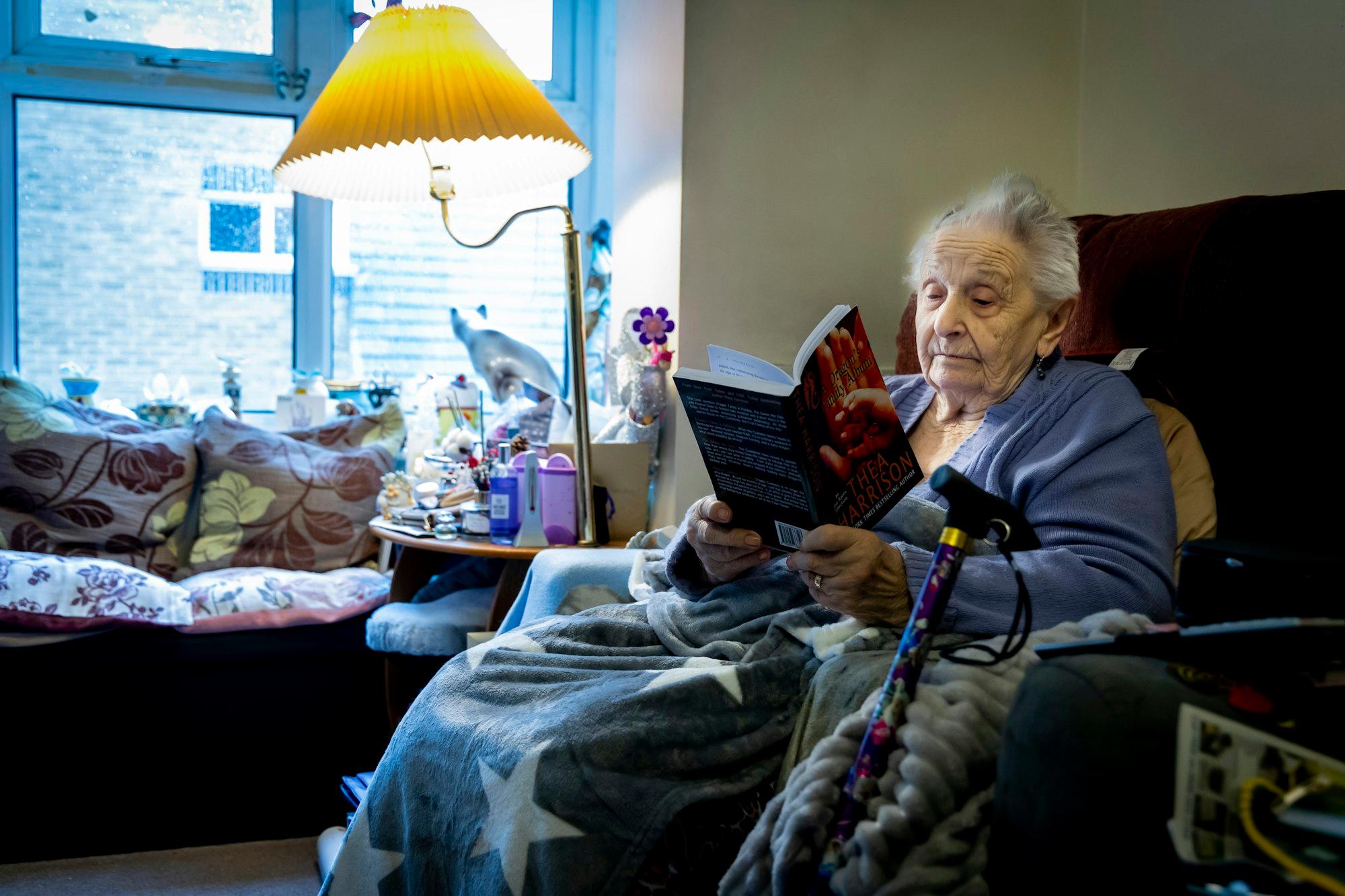
Making the money last
Specialist later-life advice on paying for care, care fees annuities, equity release and protecting a partner.